By 8:30 am every morning, RMHS looks more like a Dunkin’ Donuts commercial than a place for learning.
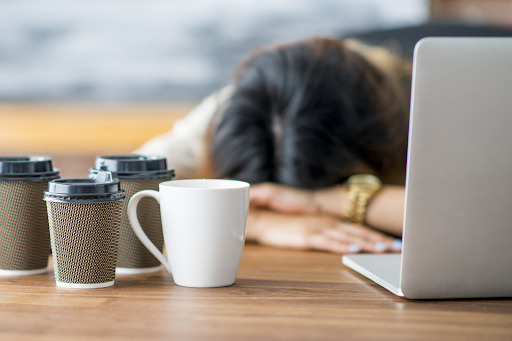
Students stumble in holding iced coffees almost as big as their backpacks. Teachers sip their steaming coffee as if they couldn’t remain upright without it. And when these caffeine drinkers can’t get access to their usual dose? You can see it immediately – complaining about headaches, acting moody and irritable, and staring off into space due to only being half awake.
Caffeine addiction really is more harmful than we are led to believe it is and it truly needs to be addressed. The reliance on this psychoactive drug needs to stop being normalized.
Throughout my day at school, I hear students say they “literally can’t function” without an energy drink before A block. Even teachers admit they wouldn’t be able to get through the morning without it. These aren’t harmless quirks, they are signs of actual dependence. According to John Hopkins Medicine, caffeine withdrawal can cause fatigue, irritability, headaches, jitters, and difficulty concentration. These are the same symptoms I see in my classes when students or teachers “forgot to stop for coffee” that day. They are also the same symptoms I fell victim to when I started consuming caffeinated drinks at the beginning of the school year. I noticed quick rushes of energy followed by a crash that made me feel weak and exhausted. I began to feel horrible whenever I experienced any withdrawals of caffeine, and it took me a long time to stop being reliant on it.
Caffeine is supposed to help people feel more awake, right? Yet, it seems to be doing the opposite. It is commonly known that a large portion of teens already struggle with sleep; little do they know, but their caffeine consumption is making it worse. The Cleveland Clinic reports that caffeine consumed even as many as six hours before bed can significantly disrupt sleep. This creates a cycle of staying up late, waking up exhausted, drinking caffeine, crashing in the afternoon, and then struggling to fall asleep once again. This endless loop holds back students from reaching their full potential because it affects their focus, mental health, and academic performance.
Caffeine addiction might not get the same attention that vaping or drinking alcohol receive, but it still shouldn’t be ignored. The symptoms of caffeine use (although not to the same extent) affect the same things schools care about: learning, mood, health, and safety. If schools educate students about nearly every other harmful substance, why not caffeine? Teachers can also model healthier habits and students can start paying attention to how caffeine truly affects them, not just in the moment, but hours later.
Although caffeine can provide a temporary boost, it is unhealthy to go into young adulthood being reliant on a substance, even if it is just coffee. Because that short-lived energy does come with long term consequences like crashes, anxiety, headaches, and dependence. So if we want a healthier school environment, we have to stop treating caffeine dependence like a joke and start treating it like the real issue it is.
It’s time to break the cycle- one venti extra caramel drizzle, sugar cookie sprinkle, cold foam macchiato cold brew at a time.